



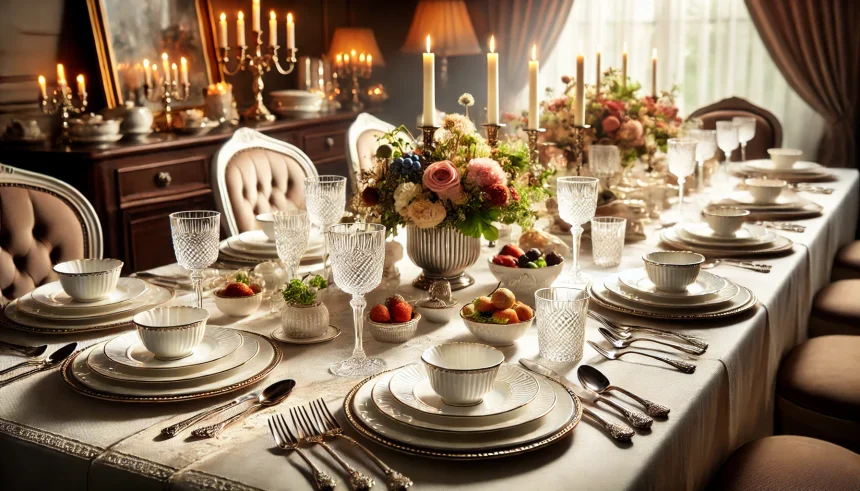
Dining has always been about more than just food—it’s an expression of culture, emotion, and lifestyle. In today’s global design landscape, that experience extends beyond taste to include the visual and tactile pleasure of presentation. The rise of custom tableware and ceramic mugs has transformed how individuals, restaurants, and brands express identity through dining aesthetics. This evolution reflects a broader trend: personalization, sustainability, and craftsmanship are now at the heart of the modern table.
1. The Shift Toward Personalization in Dining Culture
The modern diner seeks more than function; they want story and style. Personalized design has become a defining feature of lifestyle products, and tableware is no exception. Customization allows individuals and businesses to align dining aesthetics with brand values, color palettes, or even emotional experiences.
Luxury hotels, boutique cafés, and home entertainers are investing in unique designs that convey authenticity. This shift echoes the larger cultural movement toward intentional living—where every object serves as a reflection of personality and purpose. According to Hospitality Design Magazine, curated dining experiences now drive customer loyalty as much as cuisine quality itself.
Leading manufacturers such as JOYYE are at the forefront of this change, offering design flexibility that helps brands and households achieve that perfect harmony between artistry and usability.
2. The Craft and Creativity Behind Custom Tableware
Behind every handcrafted plate or serving bowl lies a combination of artistry and precision. Custom tableware involves close collaboration between designers, artisans, and material experts to ensure each piece is both functional and expressive.
Modern producers leverage 3D modeling, digital printing, and color simulation tools to preview exact results before manufacturing. This fusion of design technology with traditional pottery techniques enables high-quality, customized production without sacrificing individuality.
High-end custom tableware collections go beyond simple personalization—they reflect craftsmanship rooted in culture. Whether inspired by Japanese minimalism or Mediterranean motifs, these designs celebrate global artistic diversity while remaining practical for daily use.
According to the Tableware International Magazine, demand for limited-edition and personalized sets has grown by over 40% in the last five years, reflecting a shift in consumer behavior toward meaningful, collectible pieces.
3. Ceramic Mugs: The Everyday Canvas of Self-Expression
No object captures daily ritual quite like the mug. From morning coffee to evening tea, it accompanies countless moments of reflection and connection. The appeal of custom ceramic mugs lies in their ability to combine everyday utility with personal expression.
Whether minimalist or colorfully hand-painted, a mug can represent identity, brand, or emotion. Many designers now treat mugs as miniature canvases—perfect for displaying logos, patterns, or even inspirational quotes.
High-quality custom ceramic mug are crafted through multiple stages: clay formulation, shaping, glazing, and precision firing. The result is a durable, heat-resistant, and elegant vessel that enhances every sip.
According to the American Ceramic Society, advancements in ceramic engineering now allow for mugs that are not only visually appealing but also resistant to thermal stress and eco-friendly through reduced energy consumption during production.
4. How Technology Is Transforming Modern Ceramic Design
Digitalization has revolutionized the way ceramics are designed and produced. Today’s manufacturers employ AI-driven quality control systems, laser-guided glazing, and automated kilns to ensure precision at every stage. These innovations eliminate waste and improve consistency while still leaving room for hand-finishing details that preserve artistic value.
Smart customization tools allow clients to visualize and adjust designs in real time—choosing shapes, colors, and finishes that align with their vision. The integration of digital workflows shortens lead times and enhances quality control, making bespoke ceramics more accessible than ever before.
A study by the European Ceramic Society notes that the combination of digital fabrication and sustainable materials has redefined the industry, creating products that are both technically advanced and environmentally responsible.
5. Sustainability: A Core Value in Modern Tableware
Sustainability has moved from trend to necessity. Consumers increasingly choose brands that align with eco-conscious values. The ceramic industry, traditionally energy-intensive, is rapidly adopting greener production models—such as electric kilns, water recycling systems, and eco-safe glazes.
Manufacturers are now emphasizing longevity and recyclability. Unlike disposable plastic alternatives, ceramics are built to last generations, reducing long-term waste. Some producers even use reclaimed clay and natural pigments to reduce their environmental footprint.
For forward-thinking companies like JOYYE, sustainability is not an afterthought—it’s an essential principle that shapes every aspect of production, from raw material sourcing to packaging and global logistics.
6. Global Market Trends and the Future of Custom Ceramics
The global tableware market is projected to surpass $65 billion by 2030, driven by customization, hospitality expansion, and eco-design innovation. Asia, particularly China, continues to lead in ceramic manufacturing while adapting to Western design sensibilities and global sustainability standards.
Custom ceramics have also become a medium for brand storytelling. Restaurants and cafés use tableware as part of their identity, integrating color themes and patterns into their overall brand image. Similarly, consumers view unique dinnerware as an extension of their personal style—turning everyday meals into curated experiences.
According to Ceramic Industry Magazine, digital commerce platforms have further accelerated this growth by making bespoke ceramic designs available worldwide, connecting artisans with global audiences.
7. Beyond Aesthetics: The Emotional Connection
What sets custom tableware and mugs apart from mass-produced items is emotional resonance. When people drink from a mug that bears a personal design or share meals on plates crafted with intention, the experience feels intimate and meaningful.
Design becomes a language of emotion—colors, textures, and shapes tell stories of culture, memory, and care. This emotional depth is what keeps consumers returning to handcrafted, customizable ceramics over generic alternatives.
As dining continues to evolve as an art form, personalized tableware will remain a vital expression of individuality, craftsmanship, and shared humanity.
Conclusion
The rise of custom tableware and ceramic mugs signals a deeper cultural transformation in how we experience dining. It reflects a generation that values authenticity, creativity, and environmental responsibility. Every customized plate or mug carries the imprint of human touch and modern innovation—proof that art and industry can coexist beautifully.
From design studios to global dining tables, the fusion of craftsmanship and technology continues to shape the modern dining experience—one customized creation at a time.

