



Blog

Hidden Gems on Paramount+ You Can Stream on Roku Tonight
In the vast, algorithmically-driven landscape of modern streaming, where splashy originals and familiar franchises dominate the homepages, true treasures often lie buried. Paramount+, with its deep vaults from CBS, MTV,…

Security Screens in Adelaide: Key Benefits for Safer Homes and Businesses
Adelaide's mix of coastal breezes, hot summers, and increasingly busy suburbs means homeowners and business…

The Future of Interactive Gaming Through Online Slots
The entertainment industry has experienced a significant shift as digital platforms become a larger part…
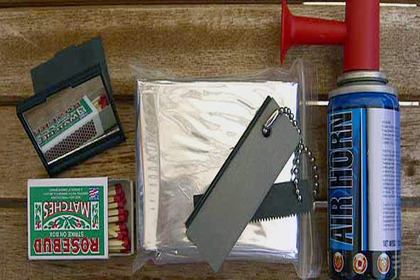
How to Signal for Help When You’re Lost in the Wilderness
Getting lost outdoors happens to careful, experienced hikers just as often as it happens to beginners. A missed trail marker, a sudden fog, or a wrong turn at dusk can turn a routine hike into a night spent wondering which direction leads back to the trailhead. What separates a scary story from a real emergency often comes down to one skill: knowing how to signal for help effectively. Wandering in circles trying to find your own way back is usually the wrong move once you realize you're lost. Search and rescue teams are trained to look for signals, not footprints, and the faster you can be seen or heard, the faster your ordeal ends. Why Signaling Matters More Than Walking The instinct to keep moving when lost is powerful, but it works against you more often than it helps. Every step you take after realizing you're lost expands the search area rescuers have to cover, and it increases the odds you'll end up somewhere even harder to find. The moment you accept that you're lost, your priority should shift from finding the trail to being found. That means staying in a visible, reasonably accessible spot and doing everything you can to make yourself known. The Universal Distress Signal Search and rescue protocol across most of the world uses a simple rule: three of anything means distress. Three whistle blasts, three fires, three gunshots, or three flashes of light all signal the same thing to anyone trained to look for it. This three-signal pattern exists because it is unmistakably intentional. A single sound or flash could be random, but a consistent group of three repeated at intervals tells a searcher that a person, not nature, is creating the signal. Visual Signals You Can Use If you have bright clothing or gear, lay it out in an open area where it contrasts with the surrounding terrain, since aircraft and drones scan for color patterns that don't belong in a natural landscape. A signal mirror, or even a phone screen or the reflective back of a snack wrapper, can flash sunlight for miles under the right conditions. Ground-to-air signals work well if you're stuck in one place for a while. Stomping a large X or SOS into snow, arranging rocks or branches into a giant triangle, or laying logs across an open clearing all catch the eye of anyone flying overhead. Sound Signals: Why Your Voice Isn't Enough Shouting feels like the natural response, but the human voice doesn't carry nearly as far as most people expect, especially through dense trees, wind, or rugged terrain. A sharp, high-pitched whistle travels much farther than a shout and takes far less energy to produce repeatedly over hours. If you don't have a whistle in your pack, and plenty of hikers forget one, your hands can do the job. Learning how to whistle with your fingers is one of those skills that costs nothing, takes up no space in your bag, and can be genuinely loud enough to carry across a valley when you need it most. Using a Whistle Correctly…

Lembagatoto: Why Online Gaming Platforms Are Gaining Global Attention
Digital entertainment has become an important part of everyday life, and gaming is at the…
How to Pitch Entertainment Guest Posts That Serve Readers and Build Trust
Entertainment guest posting can help a business reach readers who would never find it through a product page or a…
How Businesses Can Build Credible Reach Through Guest Posting
For a growing business, being visible online is not simply a matter of publishing more content. The right audience needs…

Choosing the Right Chicken Breed for Your Backyard Flock
Picking your first chicken breeds is one of the more exciting parts of starting a backyard flock, and it's also where a little research pays off enormously down the road. Different breeds vary widely in temperament, egg production, cold hardiness, and how they get along with kids or other pets, so matching breed to lifestyle matters more than most beginners expect. Rather than choosing based on looks alone, it helps to think through what you actually want from your flock first: steady egg production, a calm and friendly temperament, or simply an interesting and varied set of birds to enjoy watching in the yard. Start With Your Climate Cold-hardy breeds with small combs and dense feathering handle harsh winters far better than breeds developed in warmer regions, while heat-tolerant breeds with larger combs dissipate warmth more effectively in hot summers. Matching breed to your regional climate reduces the extra care and monitoring your flock will need through extreme weather. Think About Egg Production Goals Some breeds, like Leghorns and production Rhode Island Reds, lay prolifically and consistently, while others, bred more for meat or ornamental purposes, produce noticeably fewer eggs. If a steady supply of eggs is your main goal, prioritize breeds specifically known for high egg output over one chosen purely for appearance. Consider Temperament, Especially With Kids Docile, friendly breeds like Orpingtons and Australorps tend to do well in family settings with children, while more flighty or independent breeds can be harder to handle and less tolerant of frequent interaction. Spend some time researching a breed's typical temperament before committing, especially if gentle handling matters to your household. Factor In Noise Levels If You Have Neighbors Some breeds and individual hens are simply louder and more vocal than others, which matters a great deal if you live in a suburban area with close neighbors. Roosters aren't your only noise concern, since certain hen breeds are known for being especially chatty throughout the day. Look Into Broodiness Broody hens, ones that instinctively want to sit on and hatch eggs, can be wonderful if you want to naturally hatch chicks, but frustrating if you're primarily after a consistent egg supply, since broody hens stop laying while sitting. Breeds vary widely in how often they go broody, so this is worth researching ahead of time. Decide How Much Space You Actually Have Larger breeds need more coop and run space per bird than smaller or bantam breeds, and overcrowding leads to stress, feather picking, and health problems regardless of how well-suited a breed is otherwise. Be honest about your available space before settling on breed and flock size. Research Predator Awareness and Foraging Ability Some heritage breeds retain sharper predator awareness and stronger foraging instincts than heavily commercialized breeds, which matters if your flock will have significant free-range time. A breed with strong natural instincts can be a real asset if hawks or ground predators are a concern in your area. Don't Overlook Unique and Novelty Breeds Beyond the standard production breeds, there's a whole world of unusual and visually striking chicken breeds worth exploring if variety and novelty appeal to you as much as practicality. One increasingly popular example is the fur hen, a genuinely fluffy, fur-like feathered bird that stands out in any flock and has become a favorite among backyard keepers who want something a little different from the usual lineup. Mixing a few novelty or heritage breeds in with your primary egg-laying birds adds visual interest to your flock without sacrificing the practical production you're relying on from your main breeds. Think About Longevity and Purpose…
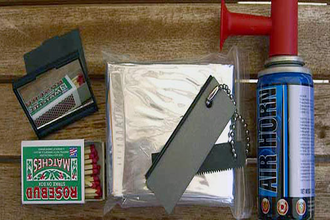
How to Signal for Help When You’re Lost in the Wilderness
Getting lost outdoors happens to careful, experienced hikers just as often as it happens to beginners. A missed trail marker, a sudden fog, or a wrong turn at dusk can turn a routine hike into a night spent wondering which direction leads back to the trailhead. What separates a scary story from a real emergency often comes down to one skill: knowing how to signal for help effectively. Wandering in circles trying to find your own way back is usually the wrong move once you realize you're lost. Search and rescue teams are trained to look for signals, not footprints, and the faster you can be seen or heard, the faster your ordeal ends. Why Signaling Matters More Than Walking The instinct to keep moving when lost is powerful, but it works against you more often than it helps. Every step you take after realizing you're lost expands the search area rescuers have to cover, and it increases the odds you'll end up somewhere even harder to find. The moment you accept that you're lost, your priority should shift from finding the trail to being found. That means staying in a visible, reasonably accessible spot and doing everything you can to make yourself known. The Universal Distress Signal Search and rescue protocol across most of the world uses a simple rule: three of anything means distress. Three whistle blasts, three fires, three gunshots, or three flashes of light all signal the same thing to anyone trained to look for it. This three-signal pattern exists because it is unmistakably intentional. A single sound or flash could be random, but a consistent group of three repeated at intervals tells a searcher that a person, not nature, is creating the signal. Visual Signals You Can Use If you have bright clothing or gear, lay it out in an open area where it contrasts with the surrounding terrain, since aircraft and drones scan for color patterns that don't belong in a natural landscape. A signal mirror, or even a phone screen or the reflective back of a snack wrapper, can flash sunlight for miles under the right conditions. Ground-to-air signals work well if you're stuck in one place for a while. Stomping a large X or SOS into snow, arranging rocks or branches into a giant triangle, or laying logs across an open clearing all catch the eye of anyone flying overhead. Sound Signals: Why Your Voice Isn't Enough Shouting feels like the natural response, but the human voice doesn't carry nearly as far as most people expect, especially through dense trees, wind, or rugged terrain. A sharp, high-pitched whistle travels much farther than a shout and takes far less energy to produce repeatedly over hours. If you don't have a whistle in your pack, and plenty of hikers forget one, your hands can do the job. Learning how to whistle with your fingers is one of those skills that costs nothing, takes up no space in your bag, and can be genuinely loud enough to carry across a valley when you need it most. Using a Whistle Correctly A whistle, whether it's a piece of gear or your own fingers, works best used in the standard three-blast pattern, paused, then repeated every few minutes. Constant blowing wastes energy and can blur into background noise, while a clear, spaced-out pattern is far more likely to catch a searcher's attention. Save your energy between signals rather than blowing continuously. A tired signaler who can keep going for hours beats an exhausted one who burns out in the first thirty minutes. Signal Fires and Smoke A well-built fire is one of the most effective signals available, especially at night when the glow can be seen from a considerable distance. During the day, adding green leaves, damp wood, or synthetic materials to a hot fire produces thick smoke that stands out clearly against open sky. Prepare three separate fire sites in a triangle formation if your situation allows it, since three columns of smoke are recognized worldwide as a distress pattern rather than an accidental brush fire.…

Can You Become a Mental Health Coach Without a Psychology Degree?
If you’re interested in helping people improve their emotional well-being, you may have wondered: Can you become a mental health coach without a psychology degree? The short answer is yes. A psychology degree is not necessarily required to pursue a career in mental health coaching. Mental health coaching is a distinct field from psychology and psychotherapy, and coaches work within a different scope of practice. That said, becoming a qualified and effective mental health coach requires more than simply wanting to help people. Professional training can give you the knowledge, skills, ethical framework, and practical experience needed to work responsibly with clients. For many aspiring coaches, a mental health coach certification program can provide a structured path into the field without requiring them to spend years earning a psychology degree. What Is a Mental Health Coach? A mental health coach helps clients work toward greater emotional well-being, resilience, self-awareness, and personal functioning. Mental health coaches may support clients with areas such as: Mental health coaches generally focus on the client's present circumstances, goals, strengths, resources, and desired changes. This is different from diagnosing or treating mental illnesses. Coaches should understand the boundaries of their role and recognize when a client needs support from a licensed mental health professional. That distinction is one of the most important things aspiring coaches should learn during professional training. Do You Need a Psychology Degree to Become a Mental Health Coach? In general, a psychology degree is not a universal requirement for becoming a mental health coach. The educational requirements for coaching can vary depending on where you live, the organization you work with, your business structure, and the specific services you intend to provide. Coaching is also different from licensed professions such as psychology, psychiatry, clinical social work, and professional counseling, which have specific educational, clinical, and licensing requirements. Because of these differences, aspiring coaches should research the regulations and professional expectations that apply to their location and intended practice. The important point is that you don't necessarily need to become a psychologist to become a mental health coach. Instead, you can pursue specialized coaching education designed specifically for this role. Psychology Degree vs. Mental Health Coach Training If you don't have a psychology degree, you might wonder whether you're at a disadvantage. A psychology degree and professional coaching education serve different purposes. A university psychology program typically provides broad academic education in areas such as human behavior, psychological theory, research methods, cognition, development, and mental health.…

A Simple Guide to Navigating Poker88 With Confidence
Exploring a new online gaming platform can be easier when users understand how its main sections work. A clear navigation…

Lembagatoto: Why Online Gaming Platforms Are Gaining Global Attention
Digital entertainment has become an important part of everyday life, and gaming is at the center of this transformation. Lembagatoto…

Kathak Dance Class Online
Learning Indian classical dance has become more accessible with the growth of digital education. Students no longer need to depend…