



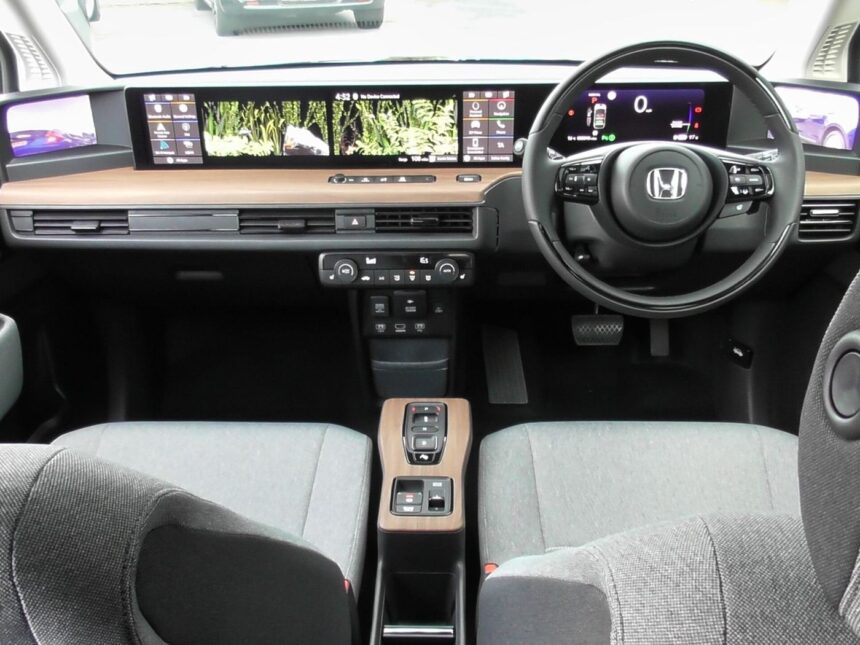
Tired driving is a factor in a large share of serious road crashes, yet drivers are often the last to admit they need a break, pressing on through yawns and wandering attention. Electric car makers are now testing dashboard systems that watch for the early signs of fatigue, combining steering patterns, trip length and cabin cameras that track eye movement and blinking. When the signs stack up, the car shows a gentle warning on the touchscreen and suggests the nearest rest stop, rather than waiting for a dangerous lane departure to trigger an alarm. Fleet operators are among the keenest early adopters, since their drivers cover long distances on tight schedules. Safety researchers say the technology is promising precisely because it intervenes early, at the point where a short break can still prevent a crash, instead of reacting after control has already slipped.
What the Evidence Shows
Accuracy remains the main challenge, since fatigue looks different from person to person and a system that cries wolf too often will simply be ignored or switched off. Manufacturers say they are tuning the alerts to individual driving styles and combining several signals before warning, so a single yawn does not trigger a message. Privacy is handled by processing camera images inside the car, with no video stored or sent elsewhere. Regulators are studying whether fatigue warnings should become a standard safety feature, much like seatbelt reminders, and insurers are watching the trials for evidence that the alerts reduce claims. If the results hold up, the dashboard nudge could become one of the quietest but most valuable safety features in the modern car. Engineers add that recycling the coolant in closed loops keeps water use low, addressing one of the main environmental concerns raised by local communities near large facilities. Reporting and analysis from sources such as IEEE Spectrum track the same developments, and specialists following the driver fatigue dashboard warning say the direction is now consistent across independent lines of evidence.
The Wider Context
Adoption of the driver fatigue dashboard warning follows a familiar pattern with an unfamiliar speed. Early users tolerate rough edges in exchange for advantage, mainstream users arrive when the tool disappears into existing workflows, and the market consolidates around whoever made that transition feel effortless. Vendors are racing less on raw performance now than on integration, support and trust.
What Happens Next
The realistic forecast for the driver fatigue dashboard warning is steady integration rather than sudden replacement: embedded in products people already use, improving in increments, and regulated in proportion to its reach. The companies and institutions that plan on that basis, training staff and redesigning processes instead of chasing launches, are the ones the adoption data tends to vindicate. You can follow related developments in our coverage of technology.
It is also worth remembering how quickly the picture in this area has changed before. Positions that looked settled a few years ago have been revised as new data arrived, and the same humility is appropriate now. The strongest coverage of this subject, and the most useful advice, tends to come from sources that update their views openly when the facts move, rather than defending an earlier position long after it has stopped fitting the evidence available.