



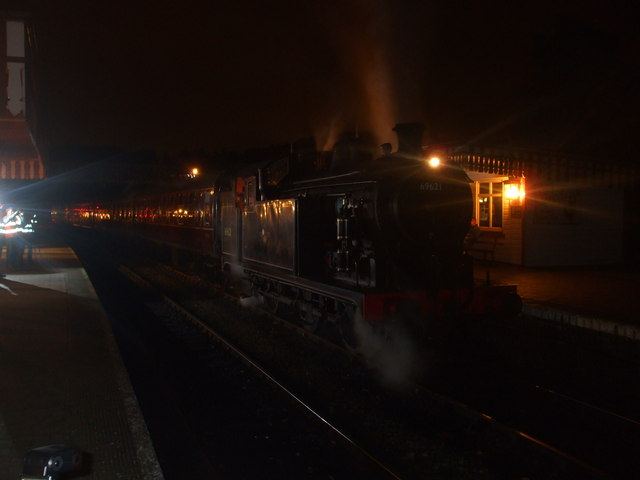
There is a particular pleasure the airlines cannot sell: going to sleep in one country and waking up in another, with breakfast arriving as a new landscape slides past the window. Night trains, written off a decade ago as relics, are in the middle of an unlikely revival. Routes across Europe are relaunched season after season, couchettes sell out weeks ahead, and a generation raised on budget flights is discovering that the journey can be the holiday.
Why sleepers are filling up again
Part of the shift is conscience — rail’s carbon footprint on long routes is a fraction of flying’s, a comparison laid out in analyses by the International Energy Agency. Part is arithmetic: a night train replaces a hotel night and an airport hotel transfer at once. But the operators who have revived these routes say the decisive factor is mood. Travellers are tired of travel that feels like logistics, and the sleeper sells the opposite — dinner as the Alps darken, a berth that feels like a childhood adventure, arrival in a city centre with the day intact.
The revival has a distinctly social-media shape. Compartments photograph beautifully, routes trend, and the most popular services now run waiting lists for private cabins. Our lifestyle desk has covered the wider slow travel movement — from farm stays to cargo-ship voyages — and the night train is its breakout star.
The economics are still hard
Sleepers are expensive to run: a train that carries a few hundred people in beds needs more staff, more space and more subsidy than a daytime service, and several revived routes survive on public support. Border bureaucracy and antique rolling stock do the rest. Operators answer that demand is outrunning the scepticism — advance bookings on flagship routes have hit records two years running.
How to ride the revival well
The new generation of sleeper trains deserves part of the credit. Operators are replacing the tired rolling stock of memory with proper beds, lockable cabins, showers and breakfast worth photographing, while budget couchettes keep a door open for students and backpackers. Private companies have entered alongside the state railways, restoring routes the majors abandoned and discovering that a well-run sleeper can fill at prices airlines would envy. Booking platforms now sell the train as the centrepiece of an itinerary rather than its transport — the surest sign the revival has moved from nostalgia to business model.
Veterans of the couchette offer simple counsel: book the private compartment for special trips, the four-berth for the social version; bring dinner aboard even when a dining car exists; and choose the route for the morning, not the departure. Waking as the train threads a coastline or crosses a border at dawn is the entire product. The airlines will get you there faster. They will never get you there like this.