



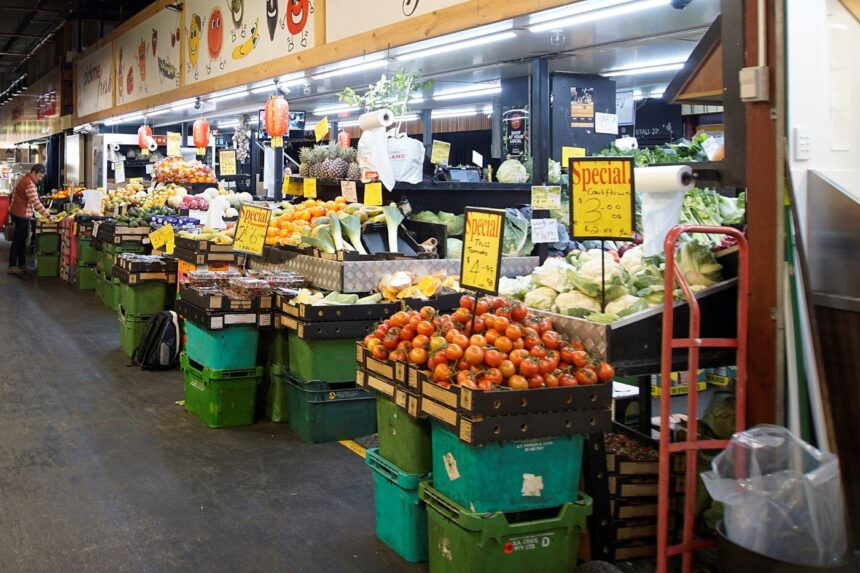
Shoppers are stretching the food budget as grocery prices climb, finding that a few changes to how they shop can keep the weekly bill down without cutting meals. Food prices have risen steadily, and families say the supermarket shop is one of the first places the squeeze is felt, with the same basket costing noticeably more than it did a year ago. Money and food advisers say the biggest savings come from planning: a weekly meal plan, a shopping list written before leaving the house, and a rule against shopping while hungry. Own-brand products, seasonal vegetables and cheaper cuts of meat can cut the bill substantially, while batch cooking and using leftovers reduce waste. Many shoppers now check prices per kilogram rather than per pack, compare the same item across two supermarkets, and shop later in the day for reduced items. The changes are small, advisers say, but together they can save a family a meaningful amount each month.
What the Evidence Shows
Experts suggest a few more habits: keep a well-stocked store cupboard of rice, pasta, tinned beans and spices, so a cheap meal is always possible without a special trip. Frozen vegetables and fruit are often as nutritious as fresh and far cheaper out of season, while buying meat in larger packs and freezing portions saves money. A weekly budget, agreed in advance, helps shoppers notice when spending creeps up, and a cash envelope or a separate grocery account can make the limit feel real. Anyone struggling should check local food support, community fridges and supermarket loyalty schemes, which can help without stigma. For households, the message is encouraging: a lower food bill does not mean worse meals, only better planning, and the savings can go towards something the family actually wants. Reporting and analysis from sources such as International Monetary Fund track the same developments, and specialists following stretching the food budget say the direction is now consistent across independent lines of evidence.
The Wider Context
The wider context is a financial system repricing risk after a long era of cheap money. Decisions shaped by stretching the food budget are being made under closer supervisory attention, with stress tests and disclosure rules that assume conditions can worsen quickly. Institutions that planned for the benign case are adjusting in public, which is uncomfortable and healthy in equal measure.
What Happens Next
What happens next with stretching the food budget will be visible first in the data that professionals watch weekly: flows, spreads and the terms on new deals. Participants who spoke for this article expect a period of adjustment rather than drama, with the biggest effects landing on those who assumed the old conditions were permanent. Planning, as ever, is the cheapest hedge. You can follow related developments in our coverage of finance.
There is a practical lesson in all of this for readers deciding what to do today. Start with the verified facts, be wary of anyone promising certainty, and prefer reversible steps while the evidence is still developing. Circumstances differ by country, income and personal situation, so general guidance should always be weighed against your own context before you act on it in any significant or lasting way.