



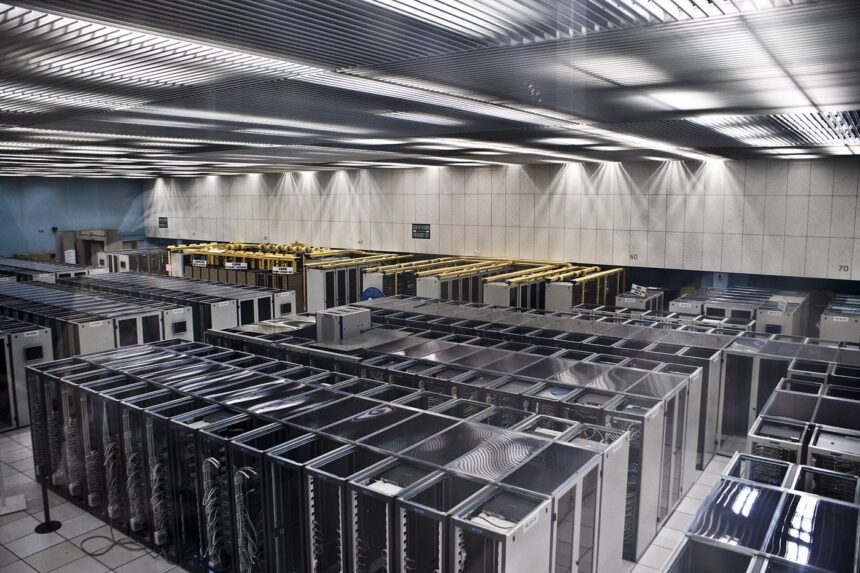
The artificial intelligence boom is built on warehouses full of computers, and those warehouses are hungry. Training and running large AI models needs vast amounts of electricity, and the data centres that house them are now among the fastest-growing sources of power demand in many countries. A single large facility can use as much electricity as a small town, and the most powerful AI chips generate so much heat that they need large cooling systems, often using water. Companies are racing to build new centres near cheap power, while utilities warn that grids designed for steady household demand must now cope with sudden, enormous new loads. In some regions, data centre projects have been delayed or refused because the local grid cannot supply them, or because residents worry about water use and noise. The debate has moved from technology conferences into planning meetings, parliaments and local communities. Some projects now sit idle for years while they wait for a grid connection.
What the Evidence Shows
The industry is responding with a mix of efficiency and new supply. Chip makers are designing processors that do more work per watt, operators are improving cooling with liquid systems that use less water, and companies are signing long-term deals to buy wind, solar and nuclear power. Some centres are being built in colder climates where free air cooling helps, while others reuse waste heat to warm nearby homes and offices. Critics argue that these measures do not change the basic arithmetic: demand is growing faster than clean power can be added, and AI could push up electricity prices for everyone. Supporters reply that AI itself can help manage grids, design better batteries and cut emissions in other industries. The outcome will depend on how quickly power grids expand, how efficient the next generation of chips proves to be, and whether the benefits of AI are judged worth the energy it consumes. Reporting and analysis from sources such as IEEE Spectrum track the same developments, and specialists following AI data centre demand say the direction is now consistent across independent lines of evidence.
The Wider Context
Adoption of AI data centre demand follows a familiar pattern with an unfamiliar speed. Early users tolerate rough edges in exchange for advantage, mainstream users arrive when the tool disappears into existing workflows, and the market consolidates around whoever made that transition feel effortless. Vendors are racing less on raw performance now than on integration, support and trust.
What Happens Next
The realistic forecast for AI data centre demand is steady integration rather than sudden replacement: embedded in products people already use, improving in increments, and regulated in proportion to its reach. The companies and institutions that plan on that basis, training staff and redesigning processes instead of chasing launches, are the ones the adoption data tends to vindicate. You can follow related developments in our coverage of technology.
It is also worth remembering how quickly the picture in this area has changed before. Positions that looked settled a few years ago have been revised as new data arrived, and the same humility is appropriate now. The strongest coverage of this subject, and the most useful advice, tends to come from sources that update their views openly when the facts move, rather than defending an earlier position long after it has stopped fitting the evidence available.