



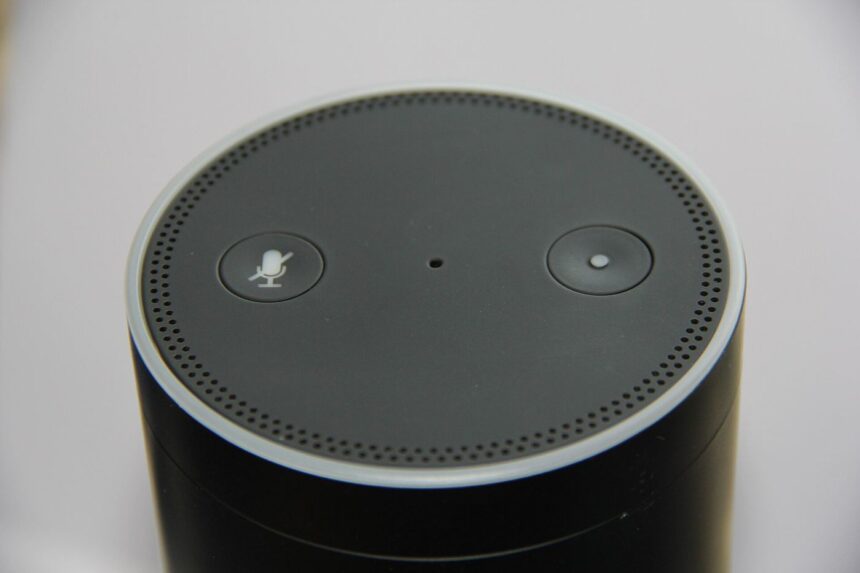
Voice-controlled lights, heating and reminders are helping more older adults live independently at home, according to housing teams testing smart home kits with residents. The setups are deliberately simple: one speaker, automated lighting on stairs and hallways, and a heating schedule that can be adjusted by speaking rather than by small dials. Residents in the trials said turning lights on without crossing a dark room was the feature they valued most. Family members can receive an alert if morning routines stop unexpectedly, though organisers insist participation is voluntary and data stays under the resident’s control.
What the Evidence Shows
Installers have learned that patient setup matters more than the hardware. Each kit is configured over several visits, with large-print instructions left behind and practice sessions for common commands. Teams also keep manual switches working, so nothing depends entirely on a voice assistant or an internet connection. Where residents struggled, the problem was usually unclear wording in the technology rather than the person using it. Housing providers now want clearer standards for simple controls. If costs keep falling, they expect basic smart home support to become a routine part of independent-living services. Reporting and analysis from sources such as MIT Technology Review track the same developments, and specialists following smart home kits supporting independence say the direction is now consistent across independent lines of evidence.
The Wider Context
The wider context is an industry learning to ship capability and restraint together. Products built around smart home kits supporting independence now launch with safety evaluations, usage data and rollback plans as standard, because enterprise buyers and regulators ask for them in the first meeting. Companies that treated those questions as friction are discovering they have become the purchase criteria.
What Happens Next
What happens next for smart home kits supporting independence depends less on another breakthrough than on the unglamorous work of reliability, pricing and support. The buyers evaluating it now are not enthusiasts; they are operators with budgets and auditors, and their checklists will decide the timeline. On the evidence of the current pilots, the technology has earned the right to be judged by them. You can follow related developments in our coverage of technology.
There is a practical lesson in all of this for readers deciding what to do today. Start with the verified facts, be wary of anyone promising certainty, and prefer reversible steps while the evidence is still developing. Circumstances differ by country, income and personal situation, so general guidance should always be weighed against your own context before you act on it in any significant or lasting way.
It is also worth remembering how quickly the picture in this area has changed before. Positions that looked settled a few years ago have been revised as new data arrived, and the same humility is appropriate now. The strongest coverage of this subject, and the most useful advice, tends to come from sources that update their views openly when the facts move, rather than defending an earlier position long after it has stopped fitting the evidence available.