


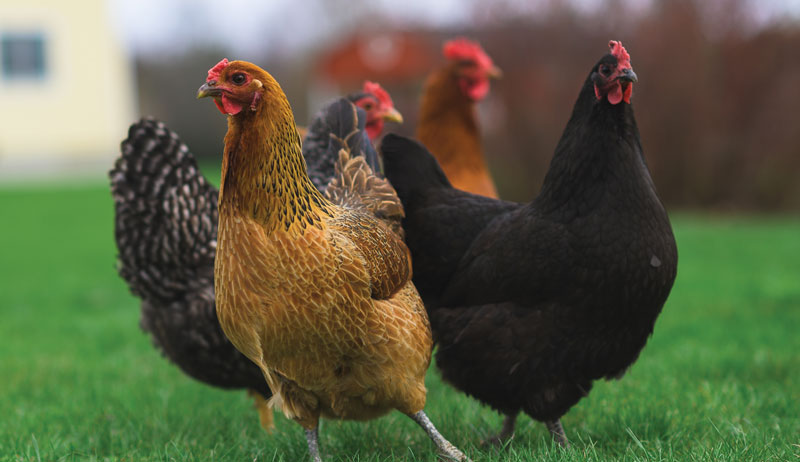
Picking your first chicken breeds is one of the more exciting parts of starting a backyard flock, and it’s also where a little research pays off enormously down the road. Different breeds vary widely in temperament, egg production, cold hardiness, and how they get along with kids or other pets, so matching breed to lifestyle matters more than most beginners expect.
Rather than choosing based on looks alone, it helps to think through what you actually want from your flock first: steady egg production, a calm and friendly temperament, or simply an interesting and varied set of birds to enjoy watching in the yard.
Start With Your Climate
Cold-hardy breeds with small combs and dense feathering handle harsh winters far better than breeds developed in warmer regions, while heat-tolerant breeds with larger combs dissipate warmth more effectively in hot summers. Matching breed to your regional climate reduces the extra care and monitoring your flock will need through extreme weather.
Think About Egg Production Goals
Some breeds, like Leghorns and production Rhode Island Reds, lay prolifically and consistently, while others, bred more for meat or ornamental purposes, produce noticeably fewer eggs. If a steady supply of eggs is your main goal, prioritize breeds specifically known for high egg output over one chosen purely for appearance.
Consider Temperament, Especially With Kids
Docile, friendly breeds like Orpingtons and Australorps tend to do well in family settings with children, while more flighty or independent breeds can be harder to handle and less tolerant of frequent interaction. Spend some time researching a breed’s typical temperament before committing, especially if gentle handling matters to your household.
Factor In Noise Levels If You Have Neighbors
Some breeds and individual hens are simply louder and more vocal than others, which matters a great deal if you live in a suburban area with close neighbors. Roosters aren’t your only noise concern, since certain hen breeds are known for being especially chatty throughout the day.
Look Into Broodiness
Broody hens, ones that instinctively want to sit on and hatch eggs, can be wonderful if you want to naturally hatch chicks, but frustrating if you’re primarily after a consistent egg supply, since broody hens stop laying while sitting. Breeds vary widely in how often they go broody, so this is worth researching ahead of time.
Decide How Much Space You Actually Have
Larger breeds need more coop and run space per bird than smaller or bantam breeds, and overcrowding leads to stress, feather picking, and health problems regardless of how well-suited a breed is otherwise. Be honest about your available space before settling on breed and flock size.
Research Predator Awareness and Foraging Ability
Some heritage breeds retain sharper predator awareness and stronger foraging instincts than heavily commercialized breeds, which matters if your flock will have significant free-range time. A breed with strong natural instincts can be a real asset if hawks or ground predators are a concern in your area.
Don’t Overlook Unique and Novelty Breeds
Beyond the standard production breeds, there’s a whole world of unusual and visually striking chicken breeds worth exploring if variety and novelty appeal to you as much as practicality. One increasingly popular example is the fur hen, a genuinely fluffy, fur-like feathered bird that stands out in any flock and has become a favorite among backyard keepers who want something a little different from the usual lineup.
Mixing a few novelty or heritage breeds in with your primary egg-laying birds adds visual interest to your flock without sacrificing the practical production you’re relying on from your main breeds.
Think About Longevity and Purpose
Dual-purpose breeds, good for both eggs and meat, offer flexibility if your homesteading goals might shift over time, while breeds developed purely for egg production tend to have shorter productive lifespans before their laying rate declines significantly. Consider what you want from your flock not just this year, but several years down the line.
Buy From a Reputable Source
Whether you’re buying chicks, pullets, or hatching eggs, sourcing from a reputable hatchery or local breeder matters as much as the breed itself, since poor breeding practices can undermine even a generally hardy breed’s health and temperament. Ask about health testing and vaccination practices before committing to a source.
Start Smaller Than You Think You Need
It’s tempting to order a large, varied batch of chicks right out of the gate, but starting with a smaller flock lets you learn the basics of chicken keeping without being overwhelmed. You can always expand your flock and add new breeds once you’ve got a season of experience under your belt.
Research Local Regulations Before You Buy
Many municipalities have specific rules about flock size, rooster ownership, and coop placement, and running afoul of local ordinances after you’ve already invested in chicks and a coop is a frustrating and avoidable problem. A quick call to your local zoning office before you buy saves a lot of potential headaches.
Talk to Local Chicken Keepers
Other backyard chicken keepers in your specific climate and region often have the most relevant, practical advice available, since they’ve already worked through the exact challenges you’re likely to face. Local poultry clubs, farm stores, and online community groups are great places to start these conversations.
Think About How Much Handling You Want
If you envision your chickens as genuinely interactive pets your family handles regularly, prioritize breeds known for being especially people-friendly rather than assuming all chickens tolerate frequent handling equally well. Some breeds simply prefer more independence, which is worth knowing before you build your expectations around cuddly birds.
Handling chicks gently and frequently from a young age also shapes their adult temperament significantly, regardless of breed, so early, consistent interaction matters alongside breed selection itself.
Consider Molt and Seasonal Laying Patterns
Most breeds pause egg production during their annual molt, and knowing roughly when to expect this seasonal dip helps you plan around it rather than being caught off guard by a sudden drop in eggs. Some breeds molt more gracefully and quickly than others, another detail worth factoring into your decision.
Think About Lifespan and Long-Term Commitment
Chickens can live anywhere from five to ten years or more depending on breed and care, well beyond their peak laying years, so it’s worth thinking through what happens to older, less productive hens in your plan. Some keepers retire older birds to a purely companion role, while others plan differently from the outset.
Being clear on this before you start avoids difficult decisions later, and it’s worth discussing as a family if kids are involved in the process of choosing and naming your flock.
Whatever you decide, having a plan in place before your first bird ever arrives makes the years ahead considerably less complicated when the time eventually comes to make that call.
Bottom Line
Choosing the right chicken breeds for your backyard flock comes down to matching birds to your climate, goals, and available space, rather than picking based on looks alone. Take your time researching, start smaller than you think you need, and you’ll set your flock up for a much smoother, more enjoyable first year of ownership overall.