


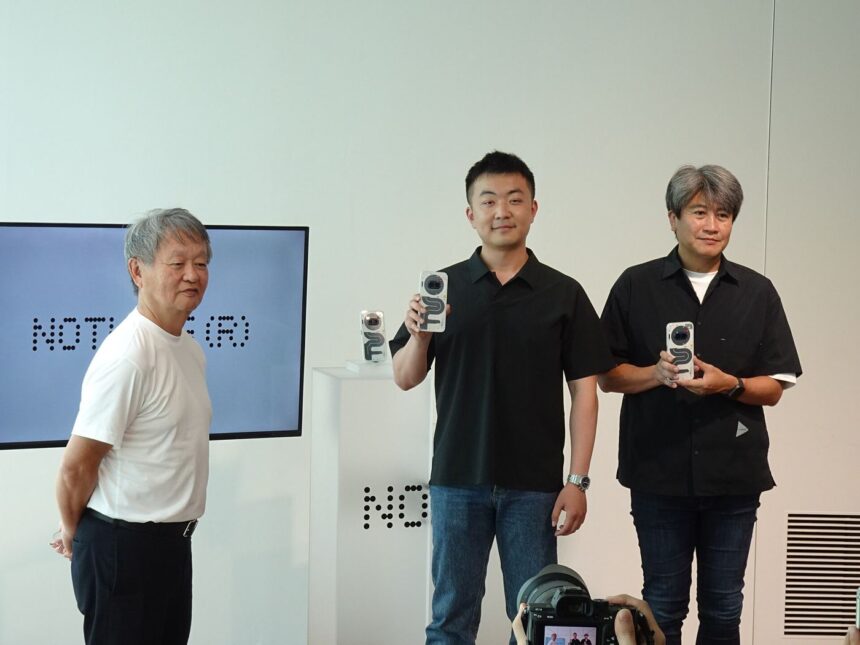
Nothing, the London-based consumer technology company, has teased the launch of its first artificial intelligence-native device, a product with no screen. Founder and chief executive Carl Pei announced the device on 20 November 2026 in an article published on X, saying it will launch in December 2026 and mapping out his view of how consumer technology is evolving. Pei described the product as Nothing’s first AI-native device, meaning it is designed around an AI assistant from the start rather than having AI added to an existing phone or earbud. Beyond the screen-free design and the December launch window, the company has not disclosed the device’s form, price or specifications. The announcement puts Nothing among the companies betting that the next important personal device may not be a phone at all.
What the Evidence Shows
The idea of a screenless AI device is easy to describe and hard to get right. A phone’s screen does many jobs at once: it shows information, takes input and confirms what the device understood, and removing it means the assistant must handle all of that by voice and by context alone. Earlier attempts at AI-first hardware have struggled precisely there, when the assistant misunderstood a request or could not show a result. Nothing’s advantage is its design-led brand and its existing earbuds and phones, which give it a customer base to build on, but a device that asks people to leave the screen behind will need to be clearly more useful than the phone already in their pocket. Until December, the most that can be said is that Pei has staked the company’s next step on that bet, and the launch will show whether the hardware and the assistant are ready. Reporting and analysis from sources such as IEEE Spectrum track the same developments, and specialists following Nothing’s first AI-native device say the direction is now consistent across independent lines of evidence.
The Wider Context
Adoption of Nothing’s first AI-native device follows a familiar pattern with an unfamiliar speed. Early users tolerate rough edges in exchange for advantage, mainstream users arrive when the tool disappears into existing workflows, and the market consolidates around whoever made that transition feel effortless. Vendors are racing less on raw performance now than on integration, support and trust.
What Happens Next
The realistic forecast for Nothing’s first AI-native device is steady integration rather than sudden replacement: embedded in products people already use, improving in increments, and regulated in proportion to its reach. The companies and institutions that plan on that basis, training staff and redesigning processes instead of chasing launches, are the ones the adoption data tends to vindicate. You can follow related developments in our coverage of technology.
It is also worth remembering how quickly the picture in this area has changed before. Positions that looked settled a few years ago have been revised as new data arrived, and the same humility is appropriate now. The strongest coverage of this subject, and the most useful advice, tends to come from sources that update their views openly when the facts move, rather than defending an earlier position long after it has stopped fitting the evidence available.