



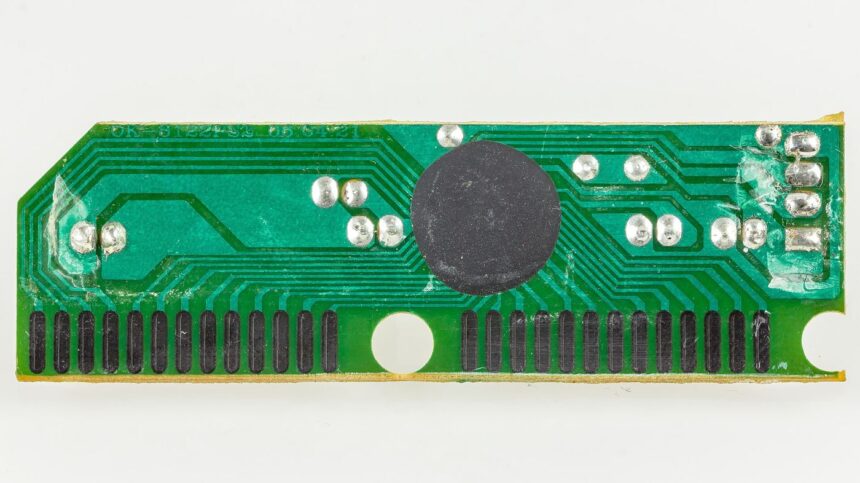
Almost every computer chip in the world is built on one of two designs, and both are owned by companies that charge for the privilege. The x86 architecture belongs to Intel and AMD, and Arm licenses its designs to nearly every phone maker on the planet. RISC-V is the exception. Created at the University of California, Berkeley in 2010, it is an open standard that anyone can use, modify and build upon without paying licence fees, managed by a non-profit foundation, RISC-V International, based in Switzerland. The design has spread from tiny microcontrollers into wearables, cars, data centres and experimental AI accelerators, and it is backed by companies including Google, Qualcomm, Alibaba and Samsung. Its use is also growing in education, where universities teach chip design on an architecture students can inspect freely instead of one hidden behind licences. For chipmakers tired of licence fees and restrictions, an open architecture is an appealing alternative.
What the Evidence Shows
The appeal goes beyond price. Because no single company controls RISC-V, governments and companies can design chips without depending on a foreign supplier’s permission, which matters as the United States restricts exports of advanced chip technology to China. Chinese firms have embraced the standard enthusiastically, and European governments have funded RISC-V projects to build technological independence. The obstacles are real, though. The software ecosystem around RISC-V is still maturing, and the most powerful RISC-V processors lag behind the best Arm and x86 designs for demanding work. Compatibility, testing tools and experienced engineers are all thinner on the ground than for the established architectures. Even so, the direction is clear: the open model that transformed software through Linux and the web is now taking hold in silicon, and the giants of the chip industry are taking it seriously. Reporting and analysis from sources such as IEEE Spectrum track the same developments, and specialists following RISC-V open chip architecture say the direction is now consistent across independent lines of evidence.
The Wider Context
Adoption of RISC-V open chip architecture follows a familiar pattern with an unfamiliar speed. Early users tolerate rough edges in exchange for advantage, mainstream users arrive when the tool disappears into existing workflows, and the market consolidates around whoever made that transition feel effortless. Vendors are racing less on raw performance now than on integration, support and trust.
What Happens Next
The realistic forecast for RISC-V open chip architecture is steady integration rather than sudden replacement: embedded in products people already use, improving in increments, and regulated in proportion to its reach. The companies and institutions that plan on that basis, training staff and redesigning processes instead of chasing launches, are the ones the adoption data tends to vindicate. You can follow related developments in our coverage of technology.
It is also worth remembering how quickly the picture in this area has changed before. Positions that looked settled a few years ago have been revised as new data arrived, and the same humility is appropriate now. The strongest coverage of this subject, and the most useful advice, tends to come from sources that update their views openly when the facts move, rather than defending an earlier position long after it has stopped fitting the evidence available.