



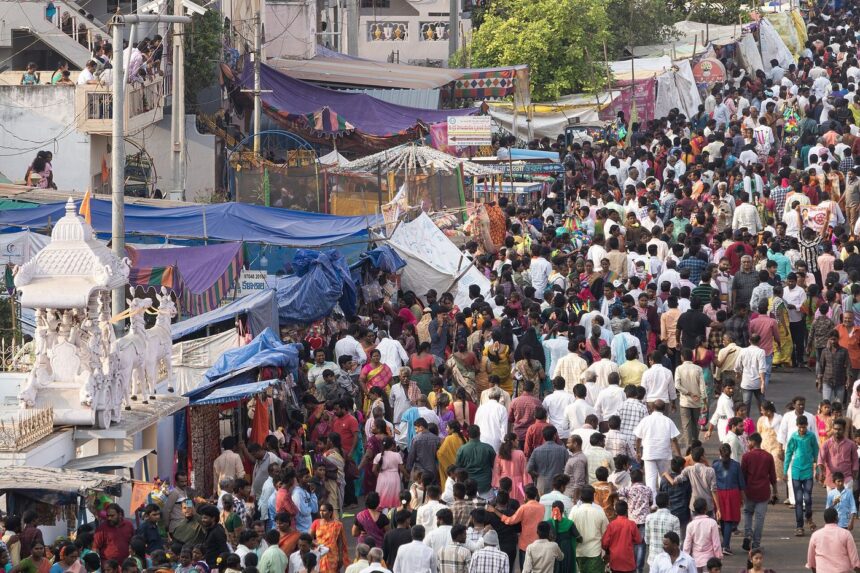
Every summer, towns and cities compete to host festivals — music, food, film, faith — each bid justified by the same promise: visitors come, visitors spend, the local economy wins. It is a plausible story, and sometimes a true one. But economists who have audited festival claims for two decades offer a more careful verdict: the money is real, the multipliers are usually exaggerated, and where the spending lands matters more than how big the crowd looks.
Counting what actually stays
The classic mistake is counting gross spending instead of net gain. A resident who buys a festival ticket instead of a cinema ticket has moved money, not added it; a visitor’s hotel spend leaks quickly to national chains. Serious studies — including work published through the OECD’s tourism programme — focus on additional visitors who would not otherwise have come, and on local capture: independent hotels, restaurants and suppliers. By that measure, well-run regional festivals still perform strongly, particularly those that fill beds in shoulder seasons when rooms would sit empty.
The cultural effects resist spreadsheets entirely. Festivals put small places on mental maps, give local artists paid stages, and — as our news coverage of community events often shows — become the week a town feels most like itself. Councils increasingly admit this is part of the point: the return is partly economic, partly civic.
When the model breaks
The failures share a shape: headline acts flown in at huge fees, profits extracted by outside promoters, residents bearing the noise and the clean-up. Weather can wreck a year’s finances in a weekend. The successes also share a shape — local vendors prioritised, multi-year commitments that let businesses invest, and honest accounting published afterwards.
The verdict, with caveats
Measurement itself is improving. Card-spending data, anonymised and aggregated, now lets councils see whether festival weekend money arrived from outside the region and where it was spent — replacing the promoter’s traditional arithmetic, in which every attendee was a tourist and every pound was counted twice. Studies using such data paint the most credible picture yet: moderate, genuine gains for well-designed festivals, heavily dependent on accommodation capacity and on how much of the supply chain is local. The festivals that score best tend to be unglamorous in one respect — they are run, year after year, by people who live with the results.
There is also a distributional question the averages hide: who inside the town earns the festival pound. Studies that follow the money find the gains concentrated among hospitality businesses and property owners near the site, while costs — congestion, rents, seasonal low-paid work — spread wider. The festivals now rated best by their own residents tend to share the dividend deliberately: community ticket allocations, local hiring charters, and funds that recycle a slice of profit into the venues and clubs the town uses all year.
So: yes, festivals can pay — when they are built to keep money circulating locally and judged on net benefit rather than crowd size. The towns that treat a festival as an industry, not a party, are the ones still celebrating a decade in.